Albumin:Creatinine Ratio (ACR) and Protein:Creatinine Ratio (PCR)
Clinical Biochemistry
Background Information
- Proteinuria is an important indicator of kidney disease and its risk of progression.
- Albumin:creatinine ratio (ACR) is the preferred test for detection of small amounts albumin in the urine (microalbuminuria).
- Proteinuria and microalbuminuria are both signs of renal impairment and are risk factors for cardiovascular morbidity and mortality.
- Measurement forms part of the diagnosis, staging and monitoring of chronic kidney disease (CKD).
- ACR is the recommended method for monitoring in people with diabetes.
- Protein:creatinine ratio (PCR), rather than ACR, should be requested where non-albumin proteinuria is suspected.
Indications for testing (NICE NG203):
- People with diabetes mellitus
- Adults with impaired renal function or where there is a strong suspicion of CKD
- Children and young people without diabetes who have raised creatinine results
Indications for testing in pregnancy (NICE NG133):
- For assessment of proteinuria in hypertensive disorders of pregnancy, interpret proteinuria measurements for pregnant women in the context of a full clinical review of symptoms, signs and other investigations for pre-eclampsia.
- Use an automated reagent-strip reading device for dipstick screening for proteinuria in secondary care settings. If dipstick screening is positive (1+ or more), use ACR or PCR to quantify proteinuria.
- Do not use first morning urine void to quantify proteinuria. Do not routinely use 24-hour urine collection to quantify proteinuria.
Patient Preparation
No specific patient preparation is required.
False positive results may be seen with menstrual or seminal fluid, urinary tract infection, contaminated collection containers.
Samples should not be collected after undue exertion or acute fluid loads.
Sample requirements
- Non-pregnant people: collect first morning urine sample in a 6mL plain urine tube.
- In pregnancy a random sample should be collected in a 6mL plain urine tube.
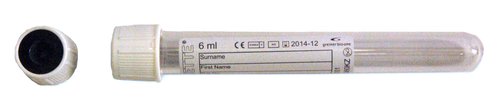
Storage/Transport
Send at ambient temperature to the laboratory. If unavoidable, samples may be stored refrigerated overnight.
Required Information
Relevant clinical details including reason for the test, any current UTI or haematuria and whether the sample is an early morning urine.
Turnaround times
Results are normally available within 3 days of receipt by the laboratory.
The tests can be ordered as an urgent request.
Reference Ranges
Interpretation
Clinical interpretation comments are added to reports as appropriate. Please also refer to appropriate NICE and G-Care guidance (linked below) for further information.
Urine ACR
Reference range: <3 mg/mmol
Test is specific for albumin, however, it is possible to lose significant amounts of other proteins of lower molecular size (e.g. in renal tubular disease or in light chain disease) giving a raised urine total protein result, without seeing an increase in albumin loss.
Urine PCR
Reference ranges:
- Paediatric (0-18 years): <20 mg/mmol
- Adult (>18 years): <50 mg/mmol
- In pregnancy: <30 mg/mmol
Suggest use clinical judgement to guide management decisions where PCR results are close to action limits, as the local assay may report urine total protein results lower than the true concentration.
Further Information
To learn more about ACR testing visit Lab Tests Online (ACR)
To learn more about PCR testing visit Lab Tests Online (PCR)
NICE Guideline: Chronic kidney disease: assessment and management (NG203, 2021)
NICE Guideline: Hypertension in pregnancy: diagnosis and management (NG133, 2019)
Page last updated: 07/07/2026 | Page last reviewed: 07/07/2026